
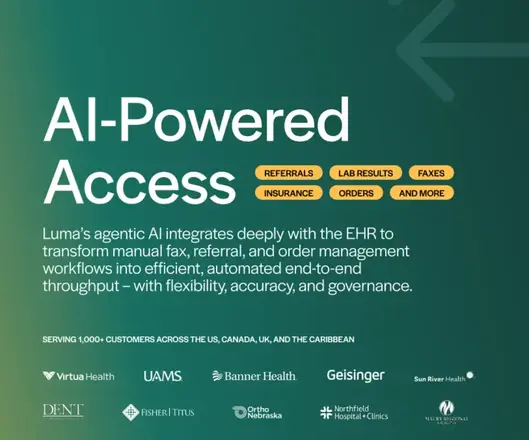
At Luma Health’s eClinicalWorks Executive Session in Atlanta, healthcare leaders explored what comes after isolated AI automation. The conversations focused on workflow orchestration, operational continuity, and hands-on exploration of AI systems designed to coordinate work across scheduling, referrals, intake, fax processing, and patient communication.
Healthcare organizations are entering a more operational phase of AI adoption.
The conversations at Luma Health’s eClinicalWorks Executive Session in Atlanta last week reflected that shift clearly. Healthcare leaders were no longer debating whether AI matters. They were focused on a more practical challenge: how to coordinate operational workflows across scheduling, referrals, intake, fax processing, patient communication, and care coordination without creating more manual work for staff.
Throughout the event, healthcare executives shared implementation lessons, explored operational AI workflows hands-on, and discussed what it takes to move beyond isolated automation toward systems that can coordinate work end to end.
Several attendees commented on how valuable it was to work hands-on with workflows and explore new product capabilities during the event. The Executive Session included customer panels, workflow workshops, product clinics, and live workflow-building sessions where attendees configured and activated operational workflows themselves.
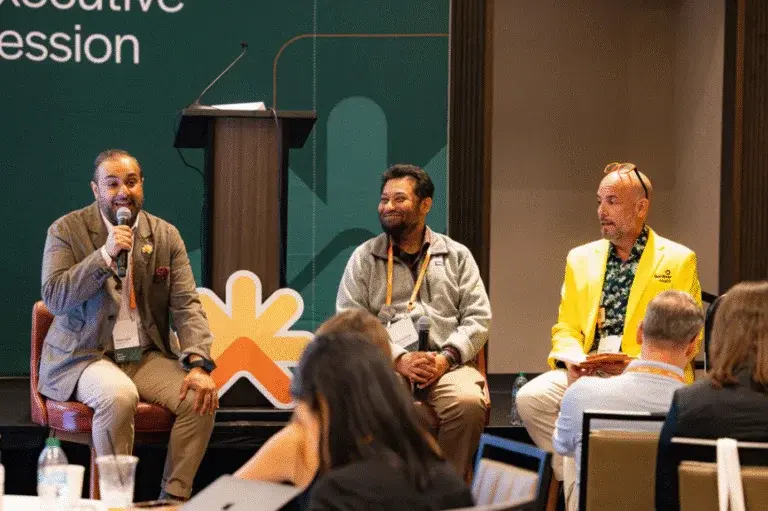
Healthcare organizations have moved beyond AI experimentation
Healthcare operators repeatedly returned to the same point throughout the Executive Session: they are no longer looking for standalone AI features that automate one task at a time.
Many organizations described operational environments where staff still spend significant time bridging disconnected workflows across systems, teams, and vendors. High call volume, manual fax processing, no-show recovery, referral coordination, prior authorization management, and intake readiness all remain operational pressure points for health systems trying to scale access without continuously adding staff.
Throughout the discussions, healthcare leaders consistently described the same operational frustration: too many healthcare technologies still shift work around instead of fully resolving it across the workflow.
But the tone in the room was notably practical and forward-looking. Attendees came prepared with specific workflow challenges they wanted to solve, including refill request automation, referral coordination, intake workflows, answering service replacement, and prior authorization management.
The conversations reflected a broader shift happening across healthcare operations. Organizations are becoming more sophisticated about how they evaluate AI systems. The focus is increasingly moving beyond isolated automation toward workflow continuity, operational ownership, and measurable outcomes.
As conversations evolved throughout the Executive Session, a clearer vision emerged around what healthcare organizations increasingly want from operational AI systems.
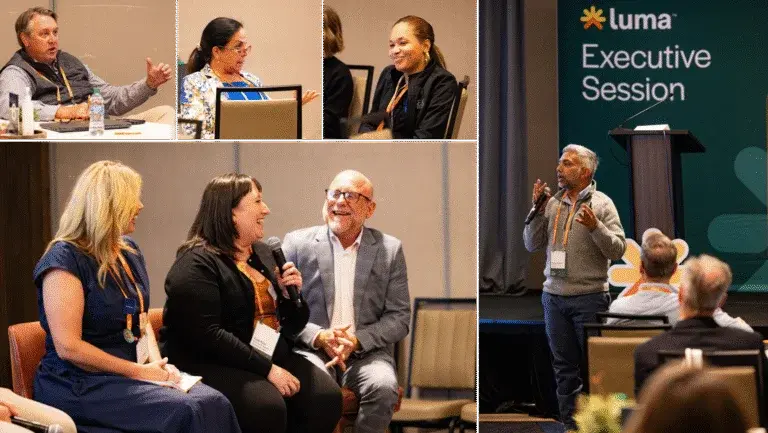
The vision discussed throughout the event: operational AI that finishes the job
The goal is no longer simply automating individual tasks. Operators want workflows that continue moving work forward across systems and teams until the operational outcome is complete.
That idea surfaced repeatedly in both customer discussions and workflow workshops.
While discussing cancellation recovery workflows that continue outreach and escalation until patients are successfully rescheduled, Toby Branum of Norman Regional summed up the goal: “We’re trying to create full, robust workflows that don’t just stop.”
Farooq Ajmal, CIO at Ryan Health, described the limitations of implementing automation one operational layer at a time without redesigning workflows more holistically. “When you do automation in increments, you’re just taking your manual workflow and translating it digitally.”
Ajmal emphasized the importance of designing workflows as connected operational systems rather than isolated automations. “When you design around the entire workflow end to end, you create much stronger operational workflows.”
Carlos Ortiz, COO at Sun River Health, echoed a similar perspective during discussions about workflow implementation strategy, emphasizing the importance of keeping workflows connected end to end.
Angela Matvay of Golden State Dermatology described how her team is increasingly thinking about operational AI as connected systems working together across workflows rather than isolated automation tools.
“When they all interact together, that’s when we will see AI truly come of age in healthcare,” she said.
This approach shaped many of the discussions around referrals, scheduling, intake readiness, and patient communication.
Rather than viewing workflows as isolated steps owned by separate tools, attendees discussed operational models where workflows coordinate activity continuously across scheduling systems, outreach channels, intake processes, and EHR workflows.
Throughout the Executive Session, attendees explored workflow models designed to address many of the operational gaps raised earlier in the discussions. A major focus was reducing the fragmentation that occurs when scheduling, intake, referrals, outreach, and follow-up are handled as disconnected processes.
Examples explored throughout the event included:
- Referral workflows that combine fax ingestion, outreach, scheduling, and follow-up into a connected operational process
- Cancellation recovery workflows that continue outreach and escalation until patients are successfully rescheduled
- Intake workflows that dynamically identify missing information and adapt follow-up based on patient behavior
- Scheduling workflows that combine messaging, waitlists, voice outreach, and EHR writeback into a coordinated patient journey
The conversations also reflected growing interest in more adaptive operational AI models, including Luma’s own SparkOS and Workflow Builder, as organizations look for ways to orchestrate workflows more dynamically across operational systems.
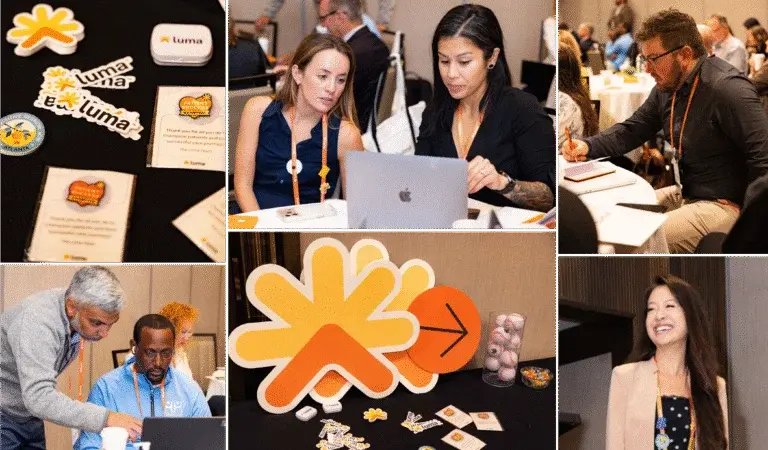
Attendees got hands-on with Operational AI (and even built their own agents)
The Executive Session was structured as a hands-on working session that combined customer discussions, product clinics, and live workflow-building exercises.
Throughout the event, attendees actively built workflows, configured AI actions, tested orchestration scenarios, and explored how those workflows and orchestration models could operate inside their own organizations.
One attendee described the workshop format as “refreshing,” noting how valuable it was to work directly with the technology and actively explore new workflow capabilities during the session.
During one live workshop, attendees built and activated a cancellation recovery workflow that combined scheduling, messaging, waitlist management, intake, and Navigator voice outreach into a single automated workflow.
Other sessions explored operational workflows for referrals, intake readiness, prior authorization coordination, medication refill requests, appointment recovery, and automated fax routing.
The workshops also sparked practical implementation discussions around governance, workflow ownership, EHR integration, operational metrics, and cross-functional collaboration between operations, IT, billing, finance, and clinical teams.
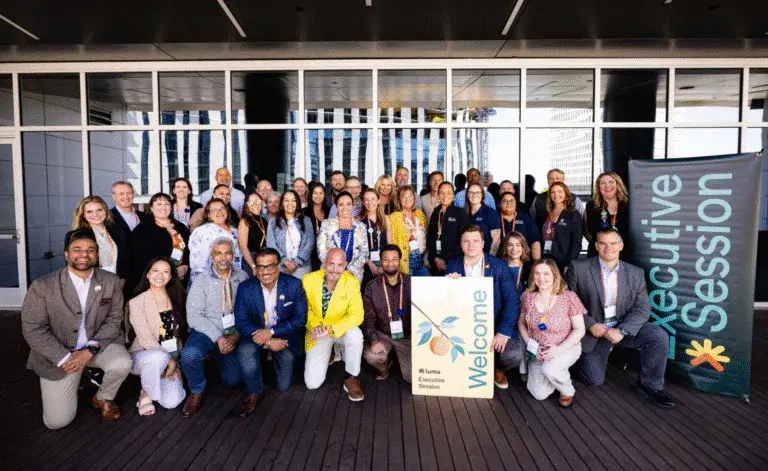
Last week’s Executive Session in Atlanta reflected a growing shift across healthcare organizations toward operational AI systems designed not just to automate tasks, but to coordinate workflows across teams, systems, and patient interactions while reliably moving work to completion.